
If you’re a San Antonio pet owner, you know the struggle. One moment your dog is playing happily in the living room, the next you’re staring at a fresh stain on your carpet. Between the Texas heat, seasonal humidity, and the inevitable accidents that come with furry family members, keeping carpets clean can feel like a never-ending battle.
The challenge isn’t just the visible stain it’s the lingering odor that seems to return weeks later, especially during humid San Antonio summers. Understanding why pet stains and odors are so persistent is the first step toward actually solving the problem, not just masking it temporarily.
This guide will walk you through what’s really happening beneath your carpet fibers, which DIY methods actually work, and when it’s time to consider professional intervention. Whether you’re dealing with a single accident or years of accumulated odors, you’ll learn how to make informed decisions about protecting your carpet investment.
Why Pet Stains and Odors Are So Difficult to Remove
Pet urine isn’t just liquid it’s a complex chemical cocktail that changes over time. Fresh urine contains urea, urobilin, uric acid, creatinine, and various enzymes. When urine first hits your carpet, it’s in an acidic state and relatively easier to clean. But as it dries, the uric acid begins to crystallize.
These urine crystals are the real culprit behind persistent odors. According to the Carpet and Rug Institute (CRI), pet urine can penetrate deep into carpet fibers and padding, where uric acid crystals bond to materials and resist standard cleaning methods. They’re not water-soluble, which means regular carpet cleaning won’t dissolve them. The crystals embed themselves deep in carpet fibers and, more problematically, in the padding and sometimes even the subfloor underneath. When humidity rises or moisture is introduced, these crystals reactivate and release odor compounds again—which explains why that old pet stain suddenly smells stronger after you’ve cleaned your carpets or during San Antonio’s muggy summer months.
The carpet structure itself makes complete odor removal challenging. Most carpets consist of three layers: the visible fiber surface, the backing, and the padding underneath. Pet urine quickly penetrates all three layers, especially if the accident isn’t addressed immediately. Surface cleaning only addresses the top layer, leaving contaminated padding to continue releasing odors.
This is why you can clean a spot until it looks perfect, only to have the smell return days later. You’ve addressed the symptom, not the source.
Step-by-Step: Immediate Response to Pet Accidents
The first hour after an accident is critical. Fresh urine hasn’t yet crystallized, making it much easier to remove completely.
Immediate action steps:
Start by blotting never rubbing or scrubbing. Place a thick layer of clean white towels or paper towels over the wet area and apply firm pressure with your foot or hands. The goal is to absorb as much liquid as possible before it penetrates deeper into the padding. Replace the towels and repeat until they come up mostly dry.
For solid waste, remove it carefully with paper towels or a plastic bag turned inside out, then blot any remaining moisture.
Once you’ve absorbed the bulk of the urine, apply a specialized enzymatic cleaner formulated for pet stains. These cleaners contain beneficial bacteria that literally consume the organic compounds in urine. Follow the product instructions precisely most require saturation of the affected area and a dwell time of 10-15 minutes.
Critical DON’Ts:
Don’t use heat or steam cleaners on fresh urine stains. Heat permanently bonds protein-based stains to carpet fibers, making them nearly impossible to remove later. Don’t apply regular soap or carpet shampoo these products don’t break down uric acid crystals and can leave residue that attracts more dirt. Don’t use too much of any cleaning solution; excess moisture can spread the contamination to a larger area and promote mold growth in the padding.
DIY Pet Odor Removal: What Works and What Doesn’t
Enzymatic cleaners are your most effective DIY option. These biological cleaners break down the actual compounds causing odors rather than just covering them up. For best results, the cleaner must reach the same depth as the urine, which means generous application. The enzymes need moisture and time to work typically 24-48 hours for deep-set stains.
Baking soda has earned a reputation as a natural odor absorber, and it does have legitimate uses. After treating with an enzymatic cleaner and allowing the area to dry, sprinkling baking soda can absorb residual surface odors. Leave it for several hours or overnight before vacuuming. However, baking soda alone won’t eliminate uric acid crystals or deep odors it’s a supplementary step, not a solution.
Vinegar solutions are widely recommended online, but the reality is more complicated. A mixture of equal parts white vinegar and water can help neutralize the alkaline salts that form as urine dries, and the acidity can provide temporary odor relief. But vinegar doesn’t break down uric acid crystals, so odors typically return. It’s most useful as an initial treatment on fresh stains before following up with enzymatic cleaners.
Hydrogen peroxide (3% solution) can be effective on light-colored carpets when mixed with baking soda and a small amount of dish soap. This combination creates an oxidizing reaction that breaks down odor compounds. The major caveat: hydrogen peroxide is a bleaching agent and can discolor dark or colored carpets. Always test in an inconspicuous area first and never use concentrations higher than 3%.
Activated charcoal placed near affected areas can absorb airborne odor molecules, but it doesn’t address the source of the smell in your carpet. Think of it as an air freshener—helpful for managing odors between treatments but not a cleaning method itself.
When DIY Methods Reach Their Limits
There’s an honest truth many pet owners learn the hard way: some pet odor situations are beyond DIY solutions, no matter how many products you try.
If urine has reached the carpet padding, home cleaning methods face a fundamental limitation. You can apply enzymatic cleaner to the carpet surface, but without proper equipment to inject the solution into the padding and extract it afterward, you’re only treating part of the problem. The padding acts like a sponge, holding contamination that continuously reintroduces odors to the carpet above it.
Subfloor contamination represents an even more serious challenge. When accidents happen repeatedly in the same spot, or when large amounts of urine aren’t cleaned promptly, moisture can penetrate through the padding to the wooden or concrete subfloor. Once the subfloor is contaminated, no amount of carpet treatment will eliminate odors. The flooring itself needs attention.
Multiple accidents in the same area create layered contamination. Each incident adds more uric acid crystals, creating increasingly concentrated odor sources that penetrate deeper. After three or four accidents in the same spot, DIY methods rarely succeed in complete odor elimination.
San Antonio’s climate adds another complication. Our summer humidity can reactivate old urine crystals, causing odors to resurface even from accidents that happened months ago. High humidity also slows the drying process after cleaning, potentially promoting bacterial growth or mildew if carpets remain damp too long.
How Professional Pet Odor Removal Works
Understanding professional methods helps you evaluate whether DIY efforts make sense for your situation or if professional intervention would save time and money in the long run.
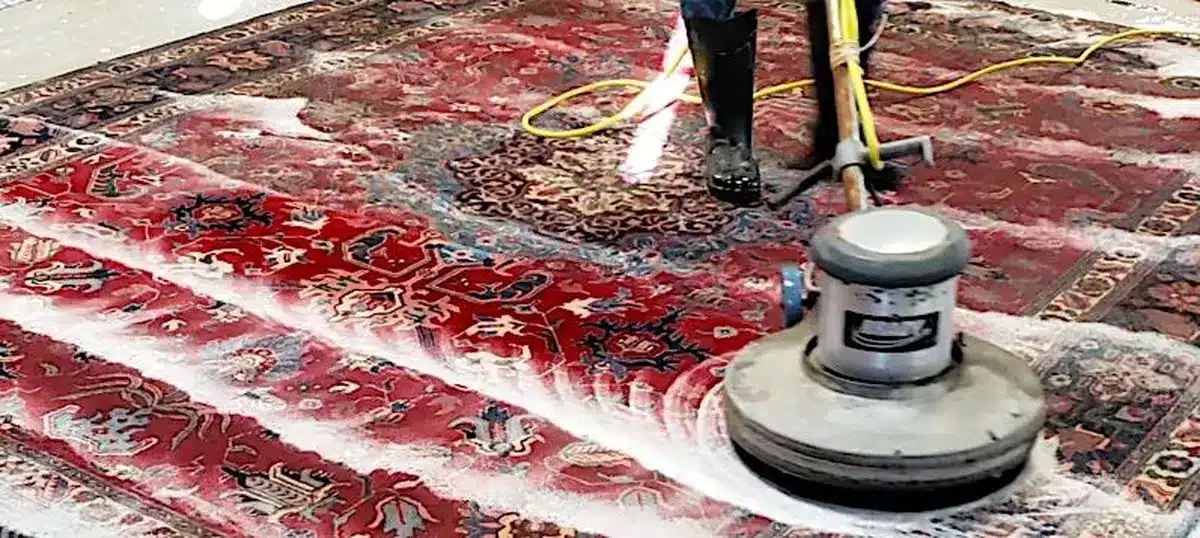
Professional-grade hot water extraction systems deliver cleaning solution under pressure deep into carpet fibers and padding, then extract it along with dissolved contaminants. These systems operate at significantly higher pressure and suction than rental machines, allowing better penetration and moisture removal.
Enzyme saturation treatments used by professionals involve flooding affected areas with enzymatic solutions to ensure complete penetration to the contamination source. This often requires specialized injection equipment to push the cleaner through carpet backing into the padding. The solution is left to work for extended periods, sometimes overnight, before extraction.
Professional-grade odor neutralizers work through chemical bonding rather than masking. These products permanently alter odor compounds at the molecular level rather than simply covering smells with fragrance. This is fundamentally different from consumer air fresheners or scented carpet powders.
Black-light detection allows technicians to identify all affected areas, including old accidents not visible to the naked eye. Urine fluoresces under UV light, revealing the true extent of contamination. Many homeowners discover their problem is more widespread than they realized, explaining why partial treatments haven’t worked.
In severe cases, professionals may recommend padding replacement for heavily contaminated sections. While this involves additional work, it’s often the only way to permanently eliminate odors when padding has absorbed significant amounts of urine over time.
Also Read: Best Carpet Cleaning Company in San Antonio: What to Look For (Complete Decision Guide)
Preventing Pet Stains and Long-Term Odor Control
Prevention and maintenance reduce the likelihood of persistent odor problems developing in the first place.
Respond to accidents immediately, even small ones. The difference between a 5-minute response and a 2-hour delay can determine whether you’re dealing with a surface stain or deep contamination.
Regular vacuuming—at least twice weekly in homes with pets removes dander, hair, and tracked-in dirt before they combine with moisture and create additional odors. Pet homes accumulate particulates faster than those without animals.
Consider protective treatments after professional cleaning. Modern carpet protectants create a barrier that resists liquid absorption, giving you more time to respond to accidents before urine penetrates to the padding. These aren’t miracle solutions, but they provide a valuable margin of error.
Establish cleaning zones with washable rugs in areas where your pet spends the most time or near doors where accidents are more likely. These act as a first line of defense for your carpet.
Pet training and routine significantly reduce accidents. Consistent bathroom schedules, positive reinforcement, and attention to behavioral cues prevent many problems before they start. Older pets or those with health issues may need more frequent opportunities to go outside.
Schedule professional carpet cleaning regularly every 6-12 months for pet households, more frequently if you have multiple animals or indoor accidents occur. Regular professional cleaning prevents accumulation of odors and contamination to levels where complete removal becomes difficult or impossible.
San Antonio-Specific Carpet Care Considerations
Our local environment creates unique challenges for pet owners trying to maintain fresh-smelling carpets.
San Antonio’s dust levels, particularly during dry months, combine with pet dander to create a stubborn mixture in carpet fibers. When this accumulation gets damp from cleaning or humidity, it produces musty odors even without pet accidents. Regular vacuuming is especially important here.
Seasonal humidity fluctuations affect how carpets hold and release odors. During humid summer months, moisture in the air reactivates dried urine crystals, intensifying pet odors throughout your home. This is why many San Antonio homeowners notice stronger pet smells in July and August even without recent accidents.
Cedar pollen, abundant during Central Texas winter months, adds another layer to carpet contamination when tracked in by pets. This fine pollen combines with natural oils in pet fur, creating a mixture that clings to carpet fibers and can contribute to overall household odors.
Homes with tile flooring in main areas but carpet in bedrooms face particular challenges. Pets often have accidents on the tile (which is easy to clean) but when they do occur on carpet, the contrast makes homeowners more likely to delay professional treatment, assuming it’s a minor issue. This delay allows deeper penetration and makes complete odor removal more difficult.
Frequently Asked Questions
Can pet urine permanently damage carpet?
Yes, if left untreated, pet urine can cause permanent damage. The uric acid can break down carpet fibers over time, and dye lots can be altered by the ammonia in urine, causing discoloration. Repeated accidents in the same spot may require carpet replacement if contamination reaches the subfloor.
How long does pet odor removal last?
When done properly with enzymatic cleaners or professional treatment that reaches the source of contamination, odor removal should be permanent. However, if the padding or subfloor remains contaminated, or if new accidents occur, odors will return. Complete odor removal requires treating all affected layers.
Will steam cleaning remove urine smell?
Standard steam cleaning typically doesn’t remove pet urine odors effectively because it doesn’t break down uric acid crystals. Worse, the heat can set protein-based stains permanently. Professional hot water extraction combined with enzymatic treatments is more effective, but the process is different from basic steam cleaning.
Is pet odor removal safe for kids and pets?
Professional-grade enzymatic cleaners and most DIY solutions are generally safe once dry. However, keep children and pets away from treated areas until completely dry. Avoid products containing harsh chemicals, phenols, or strong fragrances. Always ensure adequate ventilation during and after treatment.
How often should carpets be cleaned in pet homes?
Professional cleaning every 6-12 months is recommended for homes with pets, with frequency depending on the number of animals, accident frequency, and traffic patterns. Homes with multiple pets or regular accidents may benefit from quarterly professional cleaning. Regular vacuuming between professional cleanings is essential.
Making Informed Decisions About Carpet Care
Managing pet stains and odors in your San Antonio home requires understanding the chemistry behind the problem, not just applying quick fixes. Fresh accidents respond well to immediate action with proper products. Deep-set odors, repeated accidents, or contamination that’s reached the padding demand more intensive solutions.
Your carpet represents a significant investment in your home’s comfort and value. Protecting that investment means knowing when DIY methods will work and when they won’t, preventing small problems from becoming major issues, and maintaining realistic expectations about what different treatments can accomplish.
Whether you choose to handle routine accidents yourself or seek professional help for persistent problems, the key is addressing issues thoroughly rather than repeatedly attempting surface solutions that don’t reach the source. Your nose and your carpet will thank you for taking the time to do it right.