You’re staring at your dingy carpets, weighing a $200 professional cleaning bill against a $30 rental machine at the grocery store. It’s a decision plenty of San Antonio homeowners wrestle with, especially when you’re trying to stretch your budget while keeping your home clean in our dusty Texas climate.
Here’s the truth: the answer isn’t the same for everyone. What makes sense for a pet-free apartment differs dramatically from what works for a family of five with two dogs in a high-traffic home. This guide breaks down the real costs, effectiveness, and long-term value of both options so you can make the right call for your situation.
What Does Professional Carpet Cleaning Really Cost?
Let’s start with the number that probably brought you here. In San Antonio, professional carpet cleaning typically runs between $120 and $250 for an average-sized home (around 1,200-1,500 square feet).
Here’s what affects that price:
Size and layout – Most companies charge per room ($25-$50 each) or by square footage ($0.20-$0.40 per square foot). Open floor plans often cost less than homes with many separate rooms.
Carpet condition – Heavily soiled carpets, stubborn stains, or pet odors require pre-treatments and additional passes, bumping up costs by $50-$100.
Cleaning method – Hot water extraction (steam cleaning) is the industry standard. Dry cleaning or encapsulation methods may cost slightly more but offer faster drying times.
Add-ons – Stain protection treatments ($20-$40 per room), deodorizers, and sanitizers are extras that can increase your bill.
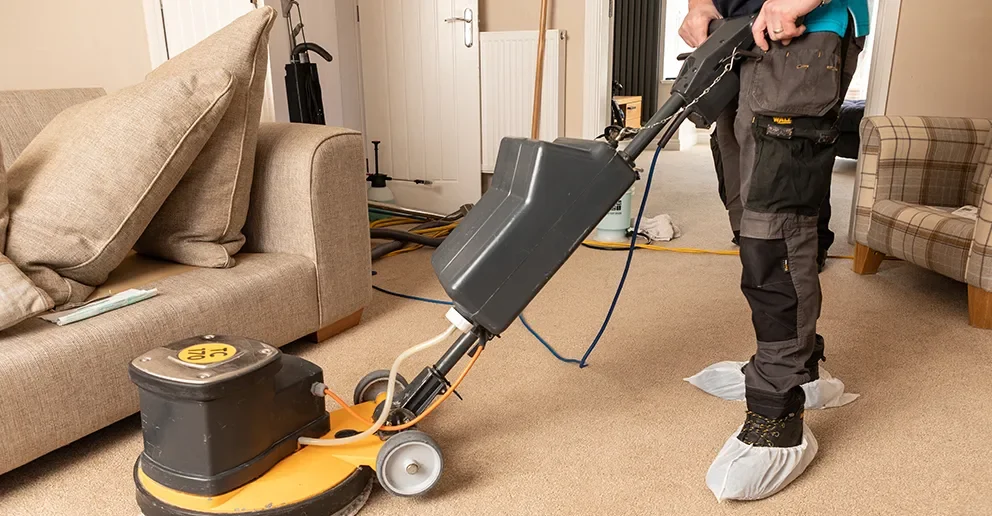
What you’re actually paying for isn’t just the cleaning itself. Professional services include truck-mounted equipment that generates far more suction and heat than any rental unit, trained technicians who know how to handle different carpet types, and liability insurance if something goes wrong.
DIY Carpet Cleaning Costs Breakdown
At first glance, DIY looks like the obvious budget winner. Renting a carpet cleaner from your local grocery store costs around $30-$40 for 24 hours. Cleaning solution runs another $15-$25 per bottle, which might cover 2-3 rooms depending on how dirty your carpets are.
But let’s look at the real costs:
Rental machine – $30-$40 per day (late fees apply if you don’t return it on time)
Cleaning solution – $15-$25 (you’ll likely need more than one bottle for a whole house)
Pre-treatment spray – $8-$15 (for tough stains)
Your time – 3-6 hours for an average home, plus drying time
Transportation – Gas and the hassle of picking up and returning the machine
Physical effort – These machines are heavy and awkward to maneuver, especially on stairs
Add it all up, and you’re looking at $60-$100 for a single cleaning session, not counting your weekend and sore back. If you need to rent the machine multiple times because your carpets are still dirty or didn’t dry properly, those costs multiply quickly.
Professional vs DIY Carpet Cleaning: Side-by-Side Comparison
| Factor | Professional Cleaning | DIY Cleaning |
|---|---|---|
| Upfront Cost | $120-$250 | $60-$100 |
| Cleaning Depth | Deep extraction to carpet backing | Surface to mid-level cleaning |
| Equipment Power | 1000+ PSI, 200°F+ water | 60-80 PSI, warm water |
| Time Investment | 2-3 hours (you do nothing) | 4-8 hours (your labor) |
| Drying Time | 6-12 hours | 24-48 hours |
| Stain Removal | Professional-grade chemicals, expertise | Consumer products, trial and error |
| Risk of Damage | Low (insured, trained) | Moderate to high (over-wetting common) |
| Frequency Needed | 12-18 months | 3-6 months (less effective) |
Is Professional Carpet Cleaning Really Worth the Money?
The short answer: it depends on what “worth it” means to you.
If you’re comparing a one-time cleaning, the professional service costs roughly double the DIY route. But professionals extract significantly more dirt, allergens, and moisture from your carpets. Those truck-mounted systems generate suction that’s 10-15 times more powerful than portable rental units.
In San Antonio’s dusty environment, this matters more than you might think. Our clay-heavy soil and constant construction dust work their way deep into carpet fibers. A rental machine might lift surface dirt, but it leaves much of the embedded grit behind—the same grit that acts like sandpaper on your carpet fibers every time you walk across them.
Professional equipment also heats water to temperatures that kill dust mites, bacteria, and allergens that aggravate respiratory issues. Rental machines simply can’t match this sanitizing effect.
Does Professional Carpet Cleaning Clean Better Than DIY?
Yes, and the difference is more significant than most people realize.
Deep cleaning vs surface cleaning – Rental machines lack the pressure and suction to reach the carpet backing where most dirt settles. Professional equipment forces hot water and cleaning solution deep into the pile and extracts it completely, pulling out dirt you can’t even see.
Allergen and bacteria removal – Studies show professional hot water extraction removes up to 98% of common allergens from carpets. DIY methods typically manage 50-70% removal at best. For families dealing with allergies or asthma common issues in San Antonio’s high pollen environment this difference translates to noticeably better indoor air quality.
According to the U.S. Environmental Protection Agency (EPA), carpets act as indoor air filters by trapping dust, pollen, pet dander, and other airborne pollutants. Over time, these contaminants build up deep within carpet fibers and padding, where regular vacuuming cannot reach. The EPA notes that professional deep cleaning helps remove these trapped particles, improving indoor air quality and reducing potential allergy and respiratory triggers when performed correctly.
Odor and stain removal – Professional cleaners have access to commercial-grade enzymes and oxidizers that actually break down odor-causing bacteria and stains at the molecular level. The consumer products you can buy work on surface stains but often leave residue that attracts more dirt.
Can DIY Carpet Cleaning Damage Carpets?
Absolutely, and it happens more often than rental companies would like you to know.
Over-wetting – This is the most common DIY mistake. Rental machines have weak suction, so people make multiple passes trying to get carpets cleaner, saturating the backing and padding. Once that padding stays wet for more than 24 hours, you’re creating a perfect environment for mold and mildew growth beneath your carpet.
Residue buildup – Most DIY cleaners leave behind sticky residue because the machines can’t rinse and extract properly. This residue acts like a dirt magnet, making your carpets look dingy again within weeks. It’s why DIY-cleaned carpets often appear dirtier faster than professionally cleaned ones.
Carpet damage – Using the wrong cleaning solution or too much soap can damage carpet fibers, cause discoloration, or void your carpet’s warranty. Many carpet manufacturers explicitly require professional cleaning to maintain warranty coverage.
Delamination – Excessive moisture can cause the carpet backing to separate from the primary backing a permanent, irreversible type of damage that ruins the carpet.
Long-Term Value: Is Professional Cleaning Worth It?
Here’s where the math gets interesting.
Quality carpet costs $3-$8 per square foot installed. For a 1,500 square foot home, that’s $4,500-$12,000. Proper professional cleaning every 12-18 months can extend your carpet’s life from 5-7 years to 10-15 years.
Let’s break this down: If professional cleaning costs $200 annually and extends your carpet life by 5 years, you’ve delayed a $7,000 replacement. That $1,000 in cleaning costs just saved you $6,000.
Indoor air quality benefits – Carpets act as air filters, trapping dust, pollen, and allergens. When those filters get clogged, they stop working and can even release particles back into your air. Professional cleaning resets this filtration, which is particularly valuable in San Antonio where cedar fever and dust are year-round challenges.
Health benefits – Better air quality means fewer allergy symptoms, less asthma irritation, and reduced exposure to dust mites and bacteria. For families with young children who play on carpets, this health benefit alone justifies the cost.
Read About: What Is Professional Carpet Cleaning & How Does It Work?
When DIY Makes Sense (Be Honest)
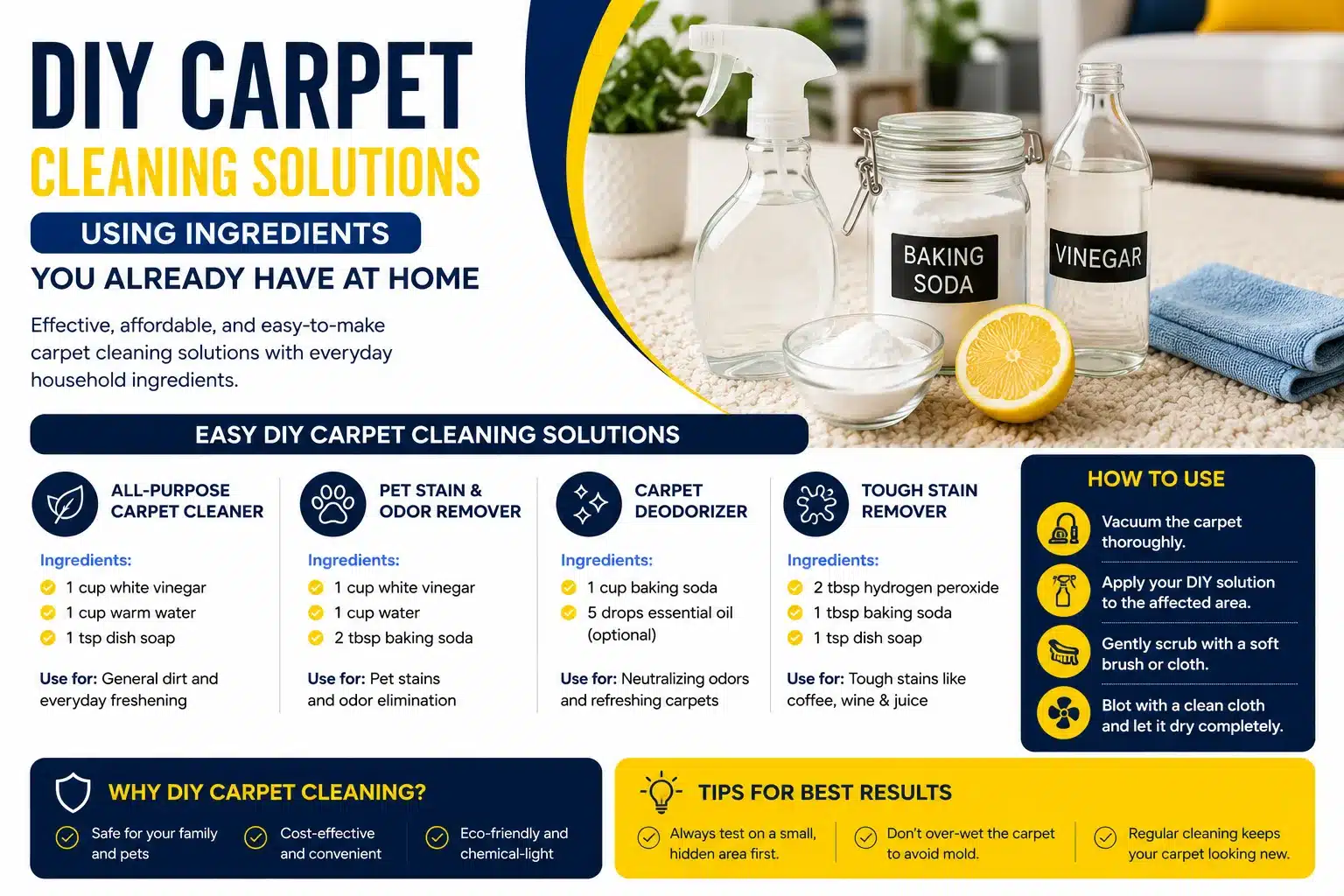
Professional cleaning isn’t always necessary. DIY carpet cleaning works well for:
Small, fresh spills – Coffee, juice, or wine spills respond well to immediate spot cleaning with rental equipment or even a portable spot cleaner.
Maintenance cleaning – If you had your carpets professionally cleaned 6 months ago and just want to freshen up high-traffic areas before guests arrive, a rental machine can handle light maintenance.
Low-traffic areas – Guest rooms, formal living rooms, or areas that see minimal use don’t accumulate enough dirt to require professional intervention every year.
Budget constraints – If finances are tight and your carpets need attention, DIY is better than doing nothing at all.
The key is being realistic about what DIY can and cannot accomplish. It’s maintenance, not deep cleaning.
Is Renting a Carpet Cleaner Cheaper Than Hiring a Professional?
Initially, yes but only if you’re looking at a single cleaning event in isolation.
Factor in that DIY cleaning typically needs to be done 2-3 times as often to maintain similar results, and the cost equation changes. Three DIY cleanings at $80 each ($240) exceed one professional cleaning at $200. Plus, you’re spending 15-20 hours of your time versus zero.
The “cheaper” option quickly becomes more expensive when you account for frequency, time, and the risk of damage that could cost thousands to fix.
When Professional Carpet Cleaning Is the Better Choice
Some situations demand professional attention:
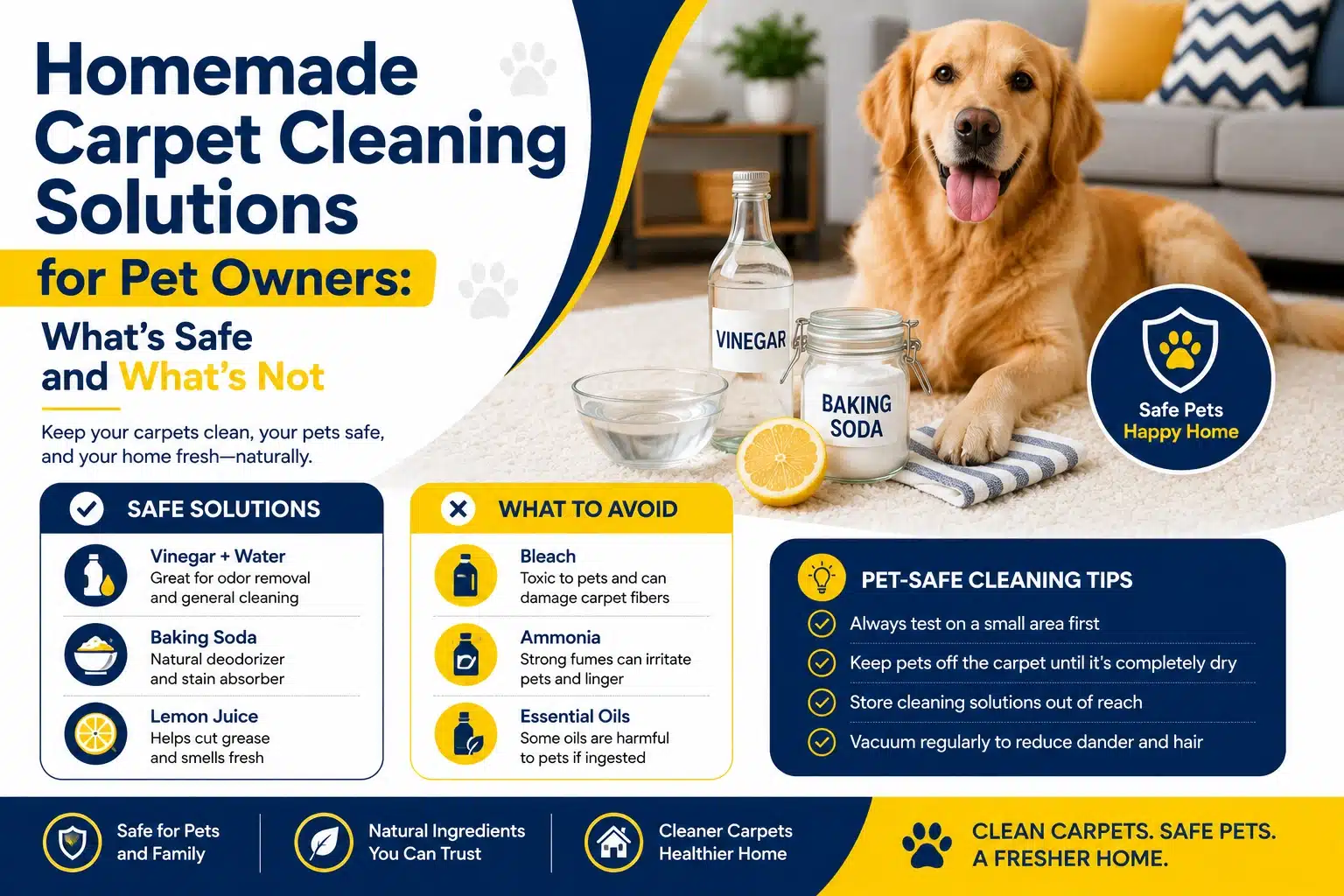
Pets – Between accidents, dander, and tracked-in dirt, pet owners need the deep sanitizing and deodorizing that only professional equipment provides. Enzyme treatments that break down urine crystals require commercial-grade products.
Allergies – If anyone in your household suffers from allergies or respiratory issues, the superior allergen removal of professional cleaning makes it a health necessity, not a luxury.
High-traffic homes – Families with kids, frequent guests, or busy households grind dirt deep into carpet fibers where only professional extraction can reach.
Commercial spaces – Business carpets take a beating. Professional appearance matters to customers, and warranty requirements typically mandate professional maintenance.
Move-in / move-out cleaning – Security deposits and first impressions are on the line. Professional results are worth the investment.
Before special events – When you’re hosting a wedding, party, or important gathering, professional cleaning ensures your home looks its absolute best.
How Often Should Carpets Be Professionally Cleaned?
Industry standards recommend professional cleaning every 12-18 months for most households. Adjust based on:
- Pets or allergies: Every 6-12 months
- Kids or high traffic: Every 9-12 months
- Light traffic, no pets: Every 18-24 months
In San Antonio’s dusty climate, staying toward the shorter end of these ranges makes sense.
Frequently Asked Questions
Is professional carpet cleaning really worth the money?
For most homeowners, yes. Professional cleaning costs roughly twice as much as DIY but provides 3-4 times better results, lasts longer, protects your carpet investment, and improves indoor air quality. The break-even point comes when you consider carpet lifespan and health benefits.
Is renting a carpet cleaner cheaper than hiring a professional?
Short-term, renting costs less. Long-term, it often costs more because you need to clean more frequently, risk damage, and get inferior results. For annual deep cleaning, professional services offer better value.
Does professional carpet cleaning clean better than DIY?
Significantly better. Professional equipment extracts 10-15 times more dirt, reaches deeper into carpet backing, removes more allergens (98% vs 50-70%), and uses commercial-grade solutions that consumer products can’t match.
Can DIY carpet cleaning damage carpets?
Yes. Common problems include over-wetting that leads to mold, residue buildup that attracts dirt faster, fiber damage from incorrect products, and delamination of carpet backing. These issues can void warranties and cost thousands to repair.
How long does it take for professionally cleaned carpets to dry?
Typically 6-12 hours with proper equipment and technique. DIY-cleaned carpets often take 24-48 hours because rental machines leave more moisture behind.
Will professional carpet cleaning remove pet odors?
Usually yes, if the technician uses enzyme treatments designed to break down urine crystals and odor-causing bacteria. Deep odors that have soaked into padding may require padding replacement.
Do I need to move furniture before carpet cleaners arrive?
Most professionals move light furniture like chairs and ottomans but not beds, dressers, or entertainment centers. Ask when booking what they include.
Final Verdict: Is Professional Carpet Cleaning Worth It?
For most San Antonio homeowners, professional carpet cleaning is worth the investment when done at appropriate intervals typically once every 12-18 months.
If you value your time, want genuinely clean carpets, need to extend your carpet’s lifespan, or deal with allergies, pets, or high traffic, professional cleaning provides measurable value that far exceeds the cost difference.
DIY has its place for spot cleaning, maintenance between professional cleanings, and situations where budget constraints make professional service impossible. Just be realistic about its limitations.
The smartest approach? Professional deep cleaning annually or as needed, with spot cleaning and light maintenance in between. This combination maximizes carpet life while controlling costs.
Still unsure what’s right for your specific situation? Most reputable carpet cleaning companies in San Antonio offer free consultations and quotes. A quick conversation with a professional can help you make an informed decision based on your carpet type, household needs, and budget without any pressure to commit.
Your carpets are likely the largest fabric item in your home and represent a significant investment. Treating them accordingly pays dividends in comfort, health, and long-term value.