Your carpets endure a lot. Between San Antonio’s dusty conditions, tracked-in allergens, everyday foot traffic, and the occasional spill, it’s no surprise that carpets can start looking worn and dingy over time. You vacuum regularly, maybe even spot-clean when needed, but there comes a point when routine maintenance just isn’t enough.
That’s where professional carpet cleaning comes in. Unlike standard vacuuming, professional cleaning uses specialized equipment and techniques to reach deep into carpet fibers, removing embedded dirt, allergens, and contaminants that household tools simply can’t handle. Whether you’re a homeowner looking to refresh your living spaces or a business owner maintaining a professional appearance, understanding what professional carpet cleaning entails can help you make informed decisions about your flooring investment.
What Is Professional Carpet Cleaning?
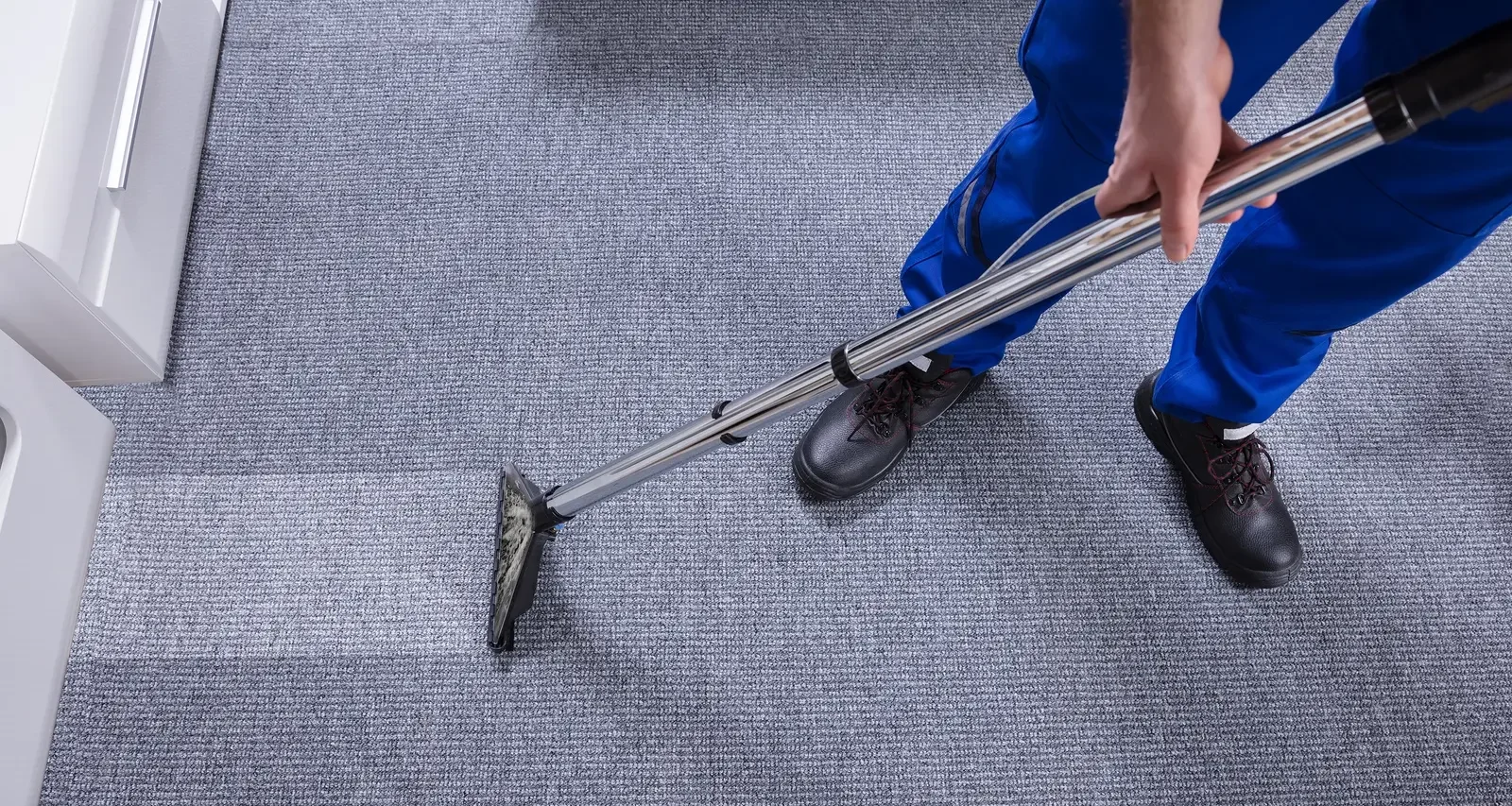
Professional carpet cleaning is a comprehensive cleaning process performed by trained technicians using industrial-grade equipment designed to extract dirt, bacteria, allergens, and stains from deep within carpet fibers. Unlike vacuuming, which only removes surface debris, professional cleaning penetrates the carpet pile to address contaminants that have settled into the backing and padding.
The process typically involves pre-treatment of stains, application of cleaning solutions, agitation to loosen embedded soil, extraction or encapsulation of dirt, and proper drying. Professional cleaners also assess carpet type, fiber construction, and current condition to determine the most effective cleaning method for your specific situation.
Think of it this way: vacuuming is like washing your hands with water, while professional carpet cleaning is like washing them with soap and thorough scrubbing. Both are important, but one goes much deeper.
Why Vacuuming Alone Isn’t Enough
Most homeowners and business owners vacuum regularly, which is essential for maintaining carpet appearance and prolonging its life. However, vacuuming has significant limitations.
Standard vacuum cleaners remove loose dirt and debris from the carpet surface and the top portion of the pile. They cannot reach the soil, oils, allergens, and bacteria that settle deep into the carpet backing. Over time, these contaminants accumulate and cause several problems:
Embedded dirt acts like sandpaper. As you walk across the carpet, dirt particles grind against carpet fibers, causing them to fray and deteriorate. This is why high-traffic areas look matted and worn even when the rest of the carpet appears fine.
Allergens accumulate out of reach. Dust mites, pollen, pet dander, and other allergens settle deep into carpets where vacuums can’t reach them. This can significantly impact indoor air quality, particularly in San Antonio homes during high pollen seasons.
Oils and residues bond to fibers. Body oils from bare feet, cooking oils that become airborne, and residues from spills create a sticky layer that attracts more dirt. Vacuuming cannot break down these substances.
Bacteria and odors develop. Moisture from spills, pet accidents, or humidity can create breeding grounds for bacteria and mold within carpet padding, leading to persistent odors and potential health concerns.
Professional carpet cleaning addresses these deeper issues by using methods specifically designed to extract contaminants from the entire carpet structure, not just the surface.
The Professional Carpet Cleaning Process: Step by Step
While specific techniques vary depending on the cleaning method used, most professional carpet cleaning follows a similar overall process:
1. Pre-Inspection and Assessment
A trained technician examines your carpets to identify fiber type, heavily soiled areas, stains, and any potential issues like worn seams or damage. This assessment determines which cleaning method will be most effective and whether any special pre-treatments are needed.
2. Pre-Vacuuming
Before any wet cleaning begins, professionals thoroughly vacuum the entire area. This removes loose dirt and debris, allowing the cleaning solution to work more effectively on embedded soil rather than surface dirt.
3. Pre-Treatment
Stains, high-traffic areas, and heavily soiled spots receive targeted treatment with specialized cleaning agents. These solutions break down oils, loosen embedded dirt, and prepare stains for extraction. The type of pre-treatment varies based on the stain or soil type.
4. Agitation
Using brushes or specialized agitation tools, technicians work the cleaning solution into the carpet fibers. This mechanical action helps dislodge embedded dirt and ensures the cleaning solution reaches deep into the pile.
5. Main Cleaning Process
This is where the primary cleaning method comes into play, whether hot water extraction, encapsulation, or low-moisture cleaning. The specific technique determines how dirt and cleaning solutions are removed from the carpet.
6. Post-Treatment (If Needed)
Some carpets benefit from additional treatments such as deodorizers, stain protectors, or pH-balancing rinses that neutralize any remaining cleaning solution residue.
7. Speed Drying and Finishing
Professionals use air movers, fans, or dehumidification equipment to accelerate drying and prevent issues like mold growth or carpet browning. They also groom the carpet pile to ensure an even appearance.
Professional Carpet Cleaning Methods Explained
Not all carpets are cleaned the same way. Professional cleaners choose methods based on carpet type, soil level, and the environment where the carpet is located. Here are the most common professional cleaning methods and when each is most appropriate.
Hot Water Extraction (Steam Cleaning)
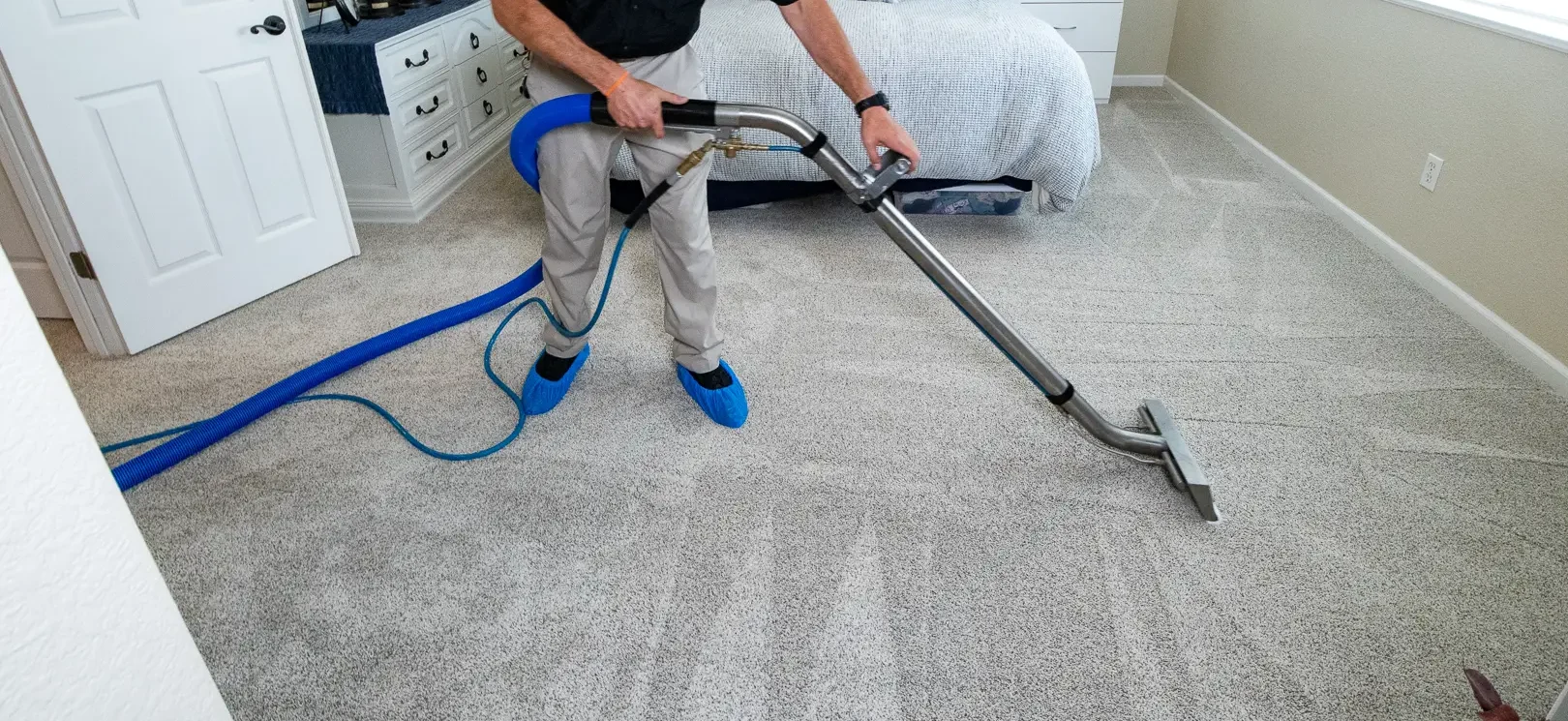
Hot water extraction, commonly called steam cleaning, is the most widely used and recommended professional carpet cleaning method. It’s endorsed by most carpet manufacturers and is considered the gold standard for deep cleaning.
How it works: A powerful machine heats water to approximately 200 degrees Fahrenheit and mixes it with a cleaning solution. This heated mixture is injected deep into the carpet fibers under high pressure, then immediately extracted along with dissolved dirt, allergens, and contaminants using strong suction.
The term “steam cleaning” is somewhat misleading because the method uses hot water rather than actual steam. The heat helps break down oils and kills bacteria, dust mites, and other microorganisms, while the extraction process pulls everything out of the carpet.
Best for: This method excels at removing deep-seated dirt, allergens, and bacteria from all carpet types. It’s particularly effective for heavily soiled carpets, homes with pets or allergies, and residential settings where thorough sanitation is important.
Drying time: Typically 6 to 12 hours, though proper airflow and San Antonio’s relatively low humidity can speed this up. Technicians often use fans and air movers to reduce drying time.
Considerations: Because this method uses more water than other approaches, proper extraction is critical to prevent moisture-related issues. Professional equipment is far more powerful than rental machines, making a significant difference in both cleaning effectiveness and drying time.
Encapsulation Carpet Cleaning
Encapsulation is a low-moisture cleaning method that has gained popularity, especially in commercial settings, due to its quick drying time and effectiveness on light to moderate soil.
How it works: A specialized polymer-based cleaning solution is applied to the carpet and worked into the fibers with a counter-rotating brush machine. As the solution dries, it crystallizes around dirt particles, encapsulating them. Once dry, the crystals are easily removed through regular vacuuming.
Think of it as wrapping each dirt particle in a tiny crystal shell that then breaks free from the carpet fiber. The encapsulated dirt doesn’t reattach to the carpet and is removed with subsequent vacuuming.
Best for: Commercial settings with high foot traffic, offices, retail spaces, and areas that need to be back in service quickly. It’s also effective for routine maintenance cleaning in residential settings that are vacuumed frequently.
Drying time: Usually 1 to 2 hours, making it ideal when downtime must be minimized.
Considerations: While excellent for routine maintenance, encapsulation doesn’t extract dirt the way hot water extraction does. It’s less effective on heavily soiled carpets or those with significant allergen buildup. Many professionals use encapsulation for regular maintenance between deep hot water extraction cleanings.
Low-Moisture (Dry) Carpet Cleaning
Low-moisture or dry carpet cleaning methods use minimal water, making them appropriate for carpets that cannot tolerate moisture or situations requiring immediate use of the space.
How it works: There are several variations, but most involve applying a cleaning compound, powder, or solution to the carpet, agitating it with brushes to break down soil, then removing it with specialized equipment or vacuuming. Some methods use absorbent pads that capture dirt when buffed across the carpet surface.
Best for: Delicate carpets that could be damaged by moisture, carpets over wooden subfloors where water could cause damage, or commercial spaces that operate 24/7 and cannot afford drying time. It’s also useful for quick touch-ups between deeper cleanings.
Drying time: Virtually immediate. Carpets can typically be walked on within 30 minutes.
Considerations: This method works well for surface-level maintenance but doesn’t provide the deep cleaning that hot water extraction offers. It’s best viewed as a supplement to, rather than a replacement for, periodic deep cleaning.
Benefits of Professional Carpet Cleaning
Investing in professional carpet cleaning delivers benefits that extend well beyond appearance.
Extended carpet life: Removing abrasive dirt particles prevents premature wear and can add years to your carpet’s lifespan, protecting your flooring investment.
Improved indoor air quality: Deep extraction of allergens, dust, pet dander, and other contaminants helps improve indoor air quality, a key factor highlighted by the U.S. Environmental Protection Agency (EPA).
Elimination of bacteria and odors: Professional cleaning kills bacteria, dust mites, and microorganisms while removing odor-causing particles. Hot water extraction’s high temperatures are especially effective at sanitizing carpets.
Restored appearance: Professional cleaning revives carpet color, restores pile height in traffic areas, and removes stubborn stains that home methods can’t address.
Better stain resistance: Many professional cleaners apply protectant treatments that make carpets more resistant to future staining, giving you more time to clean up spills before they set.
Healthier living and working environment: Reduced allergens and improved air quality benefit everyone, especially children, elderly individuals, and those with respiratory conditions or compromised immune systems.
Residential vs. Commercial Carpet Cleaning: What’s Different?
While the fundamental cleaning methods remain the same, residential and commercial carpet cleaning have distinct considerations.
Residential carpet cleaning typically involves treating a variety of carpet types and addressing diverse challenges like pet stains, food spills, and everyday living. Homeowners often prioritize thorough deep cleaning and can accommodate longer drying times. The focus is on restoration, sanitation, and maintaining a healthy home environment.
Commercial carpet cleaning must balance effectiveness with minimal disruption to business operations. Commercial carpets, especially in high-traffic areas, face more intense wear and soil loading. Quick-drying methods like encapsulation are often preferred for routine maintenance, with hot water extraction scheduled during off-hours or slower periods. Commercial cleaning also tends to follow a more frequent maintenance schedule to prevent soil buildup and maintain professional appearance.
In San Antonio, commercial spaces like restaurants, hotels, offices, and retail stores deal with additional challenges from dust blown in from outside and the constant traffic that comes with serving customers in a busy city. Professional cleaners adjust their approach based on these specific commercial demands.
How Often Should Carpets Be Professionally Cleaned?
The frequency of professional cleaning depends on several factors:
Residential homes: Most carpet manufacturers recommend professional cleaning every 12 to 18 months for average households. Homes with pets, children, or allergy sufferers benefit from cleaning every 6 to 12 months.
Commercial spaces: High-traffic areas may need professional attention every 3 to 6 months, while low-traffic office spaces might extend to annual cleaning. Retail environments and restaurants often require quarterly cleaning to maintain appearance and hygiene standards.
Environmental factors: San Antonio’s dusty conditions, especially during dry months, can accelerate soil buildup. Homes and businesses in areas with significant construction, unpaved roads, or high pollen counts may need more frequent professional cleaning.
Regular professional maintenance prevents soil from becoming deeply embedded, making each cleaning more effective and extending carpet life.
For more details: How Often Should You Get Carpets Professionally Cleaned in San Antonio?
Is Professional Carpet Cleaning Safe?
When performed by trained technicians using quality equipment and solutions, professional carpet cleaning is very safe for your family, pets, and the environment.
Most modern carpet cleaning solutions are biodegradable and non-toxic. Many professionals offer green cleaning options that use plant-based or environmentally friendly products. Hot water extraction, in particular, relies primarily on heated water and mechanical action rather than harsh chemicals.
The key to safe carpet cleaning is proper extraction. Professional equipment removes virtually all moisture and cleaning solution, leaving behind clean, dry carpets with minimal residue. This is where professional service differs significantly from rental machines, which lack the extraction power to properly remove moisture and solution.
Proper ventilation during and after cleaning, along with adequate drying, prevents any moisture-related concerns. Reputable professionals take steps to ensure your space is safe for occupancy as quickly as possible.
Frequently Asked Questions
How long does professional carpet cleaning take?
For an average-sized home (around 1,500 square feet), professional carpet cleaning typically takes 2 to 4 hours, including pre-treatment, cleaning, and post-treatment. Larger homes or heavily soiled carpets require more time. Commercial spaces vary widely based on square footage and accessibility.
Can professional cleaning remove all stains?
While professional cleaning is highly effective, not all stains can be completely removed. Old, set-in stains, certain dyes, bleach damage, or stains that have chemically bonded with carpet fibers may be permanent. However, professionals have specialized stain-removal techniques and solutions that can often improve or eliminate stains that home methods cannot touch.
Will my carpets attract dirt faster after cleaning?
If carpets were cleaned improperly with rental equipment or methods that leave behind sticky residue, yes, they can attract dirt quickly. Professional cleaning with proper extraction removes cleaning solutions completely, leaving no residue. Many professionals also apply protectant treatments that actually make carpets resist soiling better than before cleaning.
Do I need to vacuum before the professional cleaner arrives?
Professional cleaners typically vacuum as part of their process, but removing clutter and doing a light vacuum beforehand can save time and ensure the technician focuses on deep cleaning rather than picking up surface debris. It’s helpful but not required.
How can I speed up carpet drying time?
Increase airflow by opening windows (weather permitting), running ceiling fans, and using air conditioning or heating to reduce humidity. Avoid walking on damp carpets in shoes, and consider using fans in areas that tend to dry slowly. Professional cleaners often provide air movers to accelerate drying.
Understanding the Value of Professional Expertise
Professional carpet cleaning represents more than just removing visible dirt. It’s about protecting your investment, creating a healthier indoor environment, and maintaining the spaces where you live and work. In San Antonio’s unique environment, where dust, allergens, and high usage take their toll on flooring, professional cleaning becomes even more valuable.
The difference between DIY methods and professional service lies in training, equipment capability, and experience. Professional technicians understand fiber types, appropriate cleaning chemistry, extraction requirements, and how to handle challenges like pet stains, high-traffic wear, and delicate materials. They invest in equipment that costs thousands of dollars and delivers performance far beyond consumer-grade options.
For those interested in maintaining their carpets with professional care, working with experienced local providers who understand San Antonio’s specific cleaning needs ensures your carpets receive the attention they deserve. Local professionals are familiar with the region’s environmental factors and can tailor their approach to deliver optimal results for your specific situation.
Regular professional maintenance, combined with proper vacuuming and prompt attention to spills, keeps your carpets looking their best and performing their important function of filtering your indoor air. When you understand what professional carpet cleaning entails and how it works, you can make informed decisions about caring for one of your home or business’s most significant investments.
Your carpets deserve more than surface-level attention. Professional cleaning reaches deep, removes what you can’t see, and delivers results that protect both your investment and your indoor environment for years to come.