If you’ve ever noticed your allergies flare up at home sneezing, itchy eyes, congestion you might have wondered whether your carpets are part of the problem. It’s a fair question. Carpets cover large areas of our homes and come in direct contact with everything from outdoor shoes to pet paws. But does carpet cleaning actually help with allergies, or is it just another home maintenance task that won’t make much difference?
The short answer is yes, carpet cleaning can help reduce allergen buildup and may contribute to improved indoor air quality. But the longer answer involves understanding what’s actually living in your carpet, how cleaning works, and what realistic expectations look like. This isn’t medical advice if you’re struggling with allergies, talk to your doctor. But if you’re trying to understand whether cleaner carpets might make your home environment better, here’s what you need to know.
What Allergens Actually Live in Carpets?
Carpets don’t cause allergies, but they do act like giant filters that trap allergens brought in from outside or generated indoors. Over time, these particles accumulate deep within carpet fibers and padding.
Dust mites are one of the most common carpet allergens. These microscopic creatures feed on dead skin cells that fall from humans and pets. They thrive in warm, humid environments and can multiply quickly in carpet fibers and padding. It’s not the mites themselves that cause allergic reactions, but their droppings and body fragments.
Pet dander consists of tiny flakes of skin shed by cats, dogs, and other furry animals. These particles are sticky and lightweight, which means they cling to carpet fibers and can remain airborne for extended periods when disturbed. Even homes without current pets may harbor dander from previous residents.
Pollen gets tracked indoors on shoes, clothing, and pet fur. In regions with high pollen counts including areas with heavy seasonal allergens carpets near entryways can accumulate significant amounts. Unlike outdoor pollen that disperses in the wind, indoor pollen stays trapped until removed.
Mold spores can develop in carpets exposed to moisture, whether from spills, humidity, or water damage. These spores can trigger allergic reactions and respiratory issues in sensitive individuals.
The problem isn’t just that these allergens exist in carpets. It’s that carpet fibers create an ideal environment for them to accumulate, and walking across carpet or even air movement from HVAC systems can cause these particles to become airborne again.
How Dirty Carpets Affect Indoor Air Quality
You might assume that if allergens are trapped in carpet, they’re essentially out of the way. Unfortunately, that’s not how it works.
Every time someone walks across a carpet, sits on the floor, or even when air flows from heating and cooling vents, settled allergens can become airborne. The U.S. Environmental Protection Agency notes that indoor air quality can be significantly affected by particles that settle and then get redistributed throughout a home.
Regular foot traffic compresses carpet fibers, which creates a bellows effect pushing trapped particles up and out. Vacuuming, ironically, can also release allergens into the air if your vacuum lacks proper filtration. This is why some people notice their allergy symptoms worsen during or immediately after cleaning.
Humidity plays a role too. Higher moisture levels allow dust mites to thrive and can contribute to mold growth in carpet padding. In climates with variable humidity or during humid seasons, carpets can absorb moisture from the air, creating conditions where allergen populations grow rather than diminish.
Does Carpet Cleaning Actually Help with Allergies?
The evidence suggests that proper carpet cleaning can reduce allergen levels, but not all cleaning methods are equally effective.
Surface-level vacuuming removes some loose debris and allergens, but it doesn’t address what’s embedded deep in carpet fibers or trapped in the padding underneath. Studies referenced by the Carpet and Rug Institute indicate that hot water extraction often called steam cleaning can remove a significant portion of allergens from carpet when done correctly.
Hot water extraction works by injecting heated water and cleaning solution deep into carpet fibers, then extracting it along with dissolved dirt and allergens. This method reaches deeper than vacuuming alone and can pull out particles that have settled into the carpet backing.
However, carpet cleaning isn’t a cure-all. It removes existing allergen buildup but doesn’t prevent new allergens from accumulating. It also can’t eliminate 100% of allergens, especially those that have penetrated into old carpet padding or settled into seams and edges.
What cleaning does accomplish is reducing the total allergen load in your indoor environment. For allergy-sensitive individuals, lowering the concentration of triggers may help reduce symptom frequency or severity, though individual experiences vary.
Carpet Cleaning Methods Explained
Understanding how different cleaning approaches work helps set realistic expectations.
Regular vacuuming is your first line of defense. A quality vacuum with HEPA filtration captures fine particles instead of exhausting them back into the air. For allergy concerns, vacuum at least twice weekly more often in high-traffic areas or homes with pets. Even with consistent vacuuming, however, deep-down allergens remain.
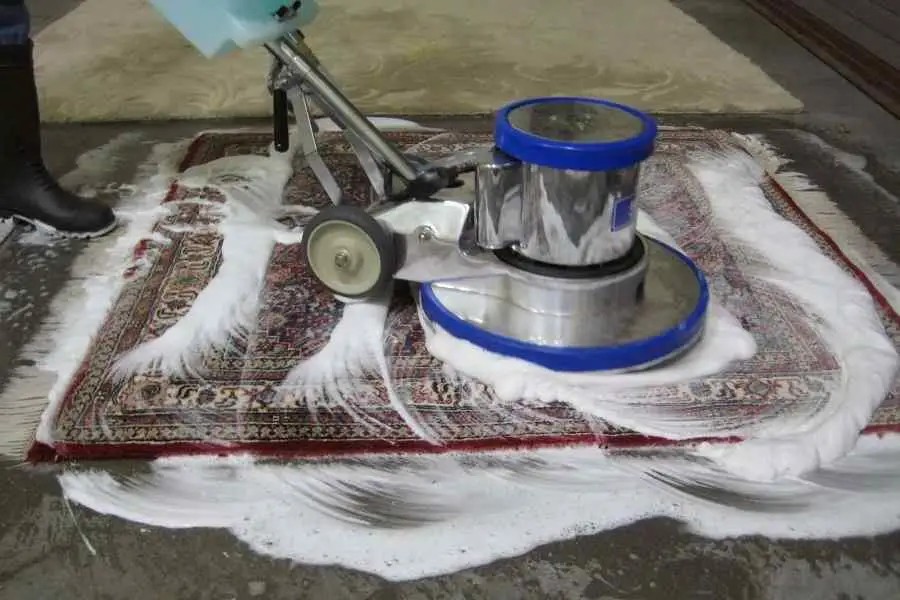
Hot water extraction is the most thorough method for removing embedded allergens. Despite being called “steam cleaning,” this process uses hot water, not steam. Powerful equipment injects cleaning solution under pressure and immediately extracts it, pulling allergens from deep within fibers. The key is thorough extraction carpets should be left only slightly damp, not soaked, to prevent moisture-related issues.
True steam cleaning uses vaporized water at very high temperatures. While heat can kill dust mites, this method doesn’t extract allergens the way hot water extraction does. The terms are often confused, so it’s worth clarifying what process is actually being used.
HEPA filtration matters regardless of method. Equipment that exhausts unfiltered air back into your home can redistribute the very allergens you’re trying to remove. Professional-grade equipment typically includes proper filtration, while some rental units may not.
Encapsulation cleaning uses specialized polymers that crystallize around dirt particles, which are then vacuumed away. This method uses minimal moisture and dries quickly, but may not penetrate as deeply as hot water extraction for allergen removal.
Professional vs DIY Carpet Cleaning: A Neutral Comparison
Homeowners have options when it comes to carpet cleaning, and each approach has trade-offs.
DIY carpet cleaning with rental equipment or purchased machines offers convenience and lower upfront costs. For routine maintenance between professional cleanings, these tools can help manage surface-level allergens. However, consumer-grade equipment typically has less suction power and heating capacity than professional systems. This means they may not extract as thoroughly, potentially leaving carpets damper and taking longer to dry. Residual moisture can create conditions for mold growth or allow allergens to resettle.
Professional carpet cleaning uses truck-mounted or powerful portable systems that heat water to higher temperatures and extract more thoroughly. Technicians trained in proper cleaning techniques can adjust methods based on carpet type and soil conditions. The investment is higher, but the deeper clean may last longer and do more to reduce embedded allergens.
That said, professional cleaning isn’t automatically better if done improperly. Overwetting carpets, using too much cleaning solution, or inadequate extraction can create problems regardless of who’s operating the equipment.
For allergy-sensitive households, combining regular DIY maintenance with periodic professional deep cleaning often provides the best balance.
How Often Should Carpets Be Cleaned for Allergy-Sensitive Homes?
Frequency recommendations vary based on several factors.
General guidance suggests deep cleaning carpets every 12 to 18 months for typical households. For homes with allergy concerns, that timeline often needs to be shorter.
Homes with pets should consider deep cleaning every 6 to 12 months. Pet dander accumulates quickly, and even well-groomed animals shed constantly. More frequent cleaning helps keep dander levels manageable.
High-pollen regions may require more attention during peak allergy seasons. Areas with cedar, oak, or grass pollen common in places like San Antonio and similar climates see heavy pollen loads that get tracked indoors. A deep clean after pollen season can help remove accumulated allergens.
Humid climates create favorable conditions for dust mites. More frequent cleaning, combined with humidity control, can help manage mite populations. If indoor humidity regularly exceeds 50%, consider both more frequent cleaning and dehumidification.
Households with multiple allergy triggers pets, high pollen, and humidity may benefit from professional cleaning every 4 to 6 months.
When Carpet Cleaning Alone Is Not Enough
Sometimes, even thorough carpet cleaning won’t fully resolve allergen issues.
Old or contaminated padding can harbor years of accumulated allergens that no surface cleaning can reach. Carpet padding sits directly against the subfloor and absorbs spills, pet accidents, and allergens that work their way through carpet backing. In these cases, replacing padding or the entire carpet may be necessary.
Moisture problems create ongoing issues. If carpets have experienced water damage, flooding, or persistent humidity issues, mold can develop in padding and subfloors. Cleaning the carpet surface doesn’t address underlying mold growth. These situations require proper remediation, not just cleaning.
Very old carpets may have deteriorated to the point where fibers shed particles themselves, contributing to poor air quality beyond typical allergen concerns.
If you’re cleaning carpets regularly but still experiencing significant allergy symptoms at home, it may be time to evaluate whether the carpet itself needs replacement or whether other indoor air quality factors are at play.
Preventing Allergen Buildup Long-Term
Cleaning removes allergens, but prevention reduces how quickly they accumulate.
Maintain a consistent vacuuming schedule. Twice-weekly vacuuming with HEPA filtration keeps surface allergens from working deeper into fibers. Pay special attention to areas near doors, under furniture, and where pets spend time.
Establish entryway habits. A no-shoes policy dramatically reduces tracked-in pollen, dust, and outdoor allergens. Place doormats both outside and inside entry doors, and encourage family members to remove shoes immediately upon entering.
Groom pets regularly. Brushing cats and dogs outdoors reduces the amount of loose fur and dander that ends up in carpets. Regular bathing can also help, though frequency depends on the specific animal and veterinary recommendations.
Control indoor humidity. Keep levels between 30% and 50% to discourage dust mite reproduction. Use dehumidifiers in humid climates or seasons.
Use area rugs strategically. Washable area rugs in high-traffic zones can be cleaned more frequently and easily than wall-to-wall carpet, creating a barrier that catches allergens before they reach permanent flooring.
Consider carpet protectants. Some treatments create a barrier that makes it harder for allergens to penetrate deep into fibers, making them easier to vacuum away. Results vary, and treatments need periodic renewal.
Frequently Asked Questions
Does cleaning carpets really help allergies?
Yes, proper carpet cleaning can reduce accumulated allergens like dust mites, pet dander, and pollen. While it won’t eliminate allergies, lowering the concentration of triggers in your home may contribute to improved indoor air quality and potentially reduce symptom frequency for some people.
How often should carpets be cleaned for allergies?
Allergy-sensitive homes typically benefit from professional deep cleaning every 6 to 12 months, compared to 12 to 18 months for general households. Homes with pets, high pollen exposure, or humidity issues may need even more frequent cleaning.
Can dirty carpets make allergies worse?
Yes. Carpets that haven’t been properly cleaned can harbor large amounts of allergens. When disturbed by foot traffic or air movement, these particles become airborne and can trigger allergic reactions. Regular cleaning helps keep allergen levels lower.
Is vacuuming enough to control carpet allergens?
Vacuuming is essential for maintenance, but it only removes surface-level allergens. Deep cleaning methods like hot water extraction are needed to remove particles embedded in carpet fibers and backing. Both practices work together for best results.
What’s the difference between steam cleaning and hot water extraction?
Hot water extraction (often incorrectly called steam cleaning) injects hot water and cleaning solution into carpet, then extracts it along with dirt and allergens. True steam cleaning uses vaporized water. Hot water extraction is generally more effective for allergen removal because it physically removes particles rather than just applying heat.
Will carpet cleaning help with pet allergies?
Carpet cleaning can remove accumulated pet dander, which may help reduce exposure. However, cleaning is ongoing maintenance—pets continuously shed dander. Combining regular deep cleaning with frequent vacuuming, pet grooming, and air filtration provides better overall results.
Should I replace carpet if I have allergies?
Not necessarily. Well-maintained carpet that’s regularly cleaned can actually trap allergens rather than letting them circulate freely. However, if carpets are very old, have water damage, or harbor contaminated padding that cleaning can’t address, replacement might improve your indoor environment.
Making Informed Decisions About Carpet and Allergies
Carpet cleaning does help with allergies by reducing the buildup of dust mites, pet dander, pollen, and other airborne particles that trigger reactions. The most effective approach combines regular vacuuming with proper filtration and periodic deep cleaning using hot water extraction.
That said, carpet cleaning is one piece of a larger indoor air quality picture. It works best when combined with good prevention habits, humidity control, and realistic expectations about what cleaning can and cannot accomplish.
If you’re dealing with persistent allergy symptoms, cleaning your carpets more thoroughly and frequently is a reasonable step to take. Just remember that it’s part of an overall approach to creating a healthier home environment, not a standalone solution. For medical concerns about allergies or respiratory issues, consult with a healthcare professional who can provide personalized guidance.
Whether you choose to deep clean your carpets yourself or work with a professional service, the goal remains the same: reducing the allergen load in your home to create a more comfortable living space. Understanding how allergens accumulate and how different cleaning methods work helps you make informed choices that align with your household’s specific needs.