
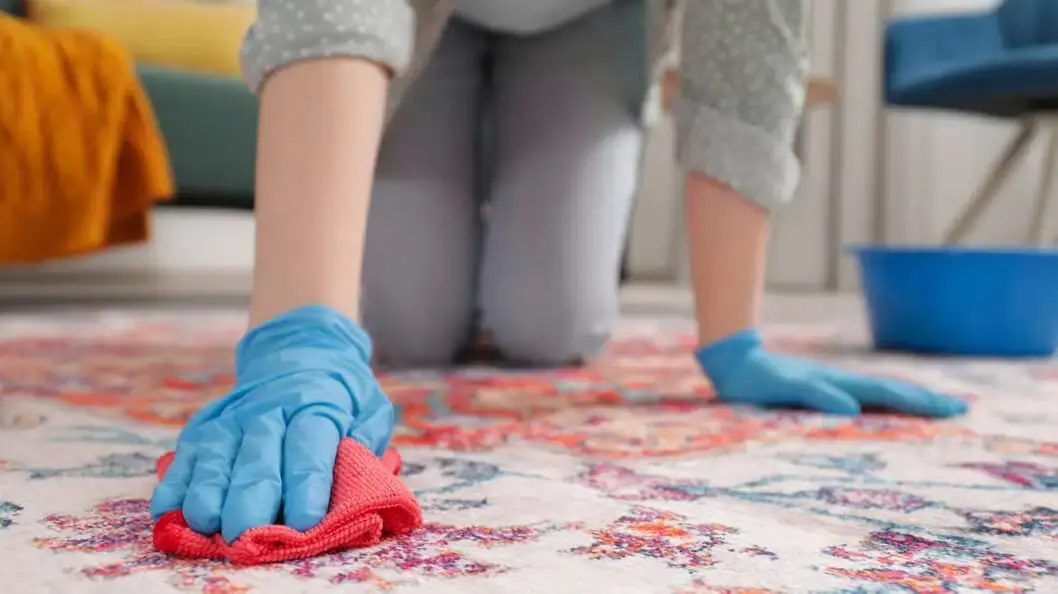
Homemade carpet cleaning solutions are usually considered a quick, affordable fix for everyday stains and spills. Many homeowners turn to common household ingredients such as baking soda, vinegar, or dish soap, trusting that these options are both effective and safe. Primarily, the results can seem promising, stains appear lighter, odors fade, and the carpet looks refreshed.
However, what happens beneath the surface is far more complex. Carpet fibers are engineered materials designed to withstand daily wear while maintaining their structure and appearance. When exposed to unbalanced or unsuitable cleaning solutions, these fibers can react in ways that are not immediately visible.
In San Antonio, homeowners experience additional stress on carpets, resulting in dust and allergens. Understanding the impact of cleaning methods on fiber performance becomes even more paramount. While DIY methods may seem convenient, they can sometimes compromise the long-term condition of your carpet.
Understanding Carpet Fiber Composition and Structure
-
Types of Carpet Fibers Used in Modern Homes
Carpets are made from various materials, each designed with specific performance characteristics. Synthetic fibers such as nylon and polyester are widely used due to their durability and stain resistance. Nylon is known for its resilience in high-traffic areas, while polyester offers a softer feel and natural resistance to certain types of stains.
Natural fibers, particularly wool, provide a premium look and feel but require more careful maintenance. Wool fibers are more sensitive to moisture and pH changes, making them more vulnerable to damage from improper cleaning methods.
Because each fiber type reacts differently, using a one-size-fits-all homemade solution can lead to inconsistent results and, in some cases, long-term damage.
-
Protective Treatments and Fiber Coatings
Most carpets are treated with protective coatings during manufacturing. These coatings are designed to repel stains, reduce moisture absorption, and extend the life of the carpet.
When homemade cleaning solutions are applied, they interact not only with the fibers but also with these protective layers. Strong or imbalanced solutions can gradually break down these coatings, leaving the carpet more exposed to future stains and wear.
Chemical Reactions Between Carpet Fibers and DIY Cleaning Solutions
-
The Impact of pH Levels on Carpet Fibers
One of the most important factors in any cleaning solution is its pH level. Vinegar, a common household cleaner, is acidic, while many detergents and soaps are alkaline. Carpet fibers are sensitive to both extremes.
Exposure to highly acidic or alkaline substances can weaken the internal structure of fibers. Over time, this can lead to fading, discoloration, or a rough texture. While a single application may not cause noticeable damage, repeated use increases the risk of long-term deterioration.
-
How Moisture Affects Fiber Integrity
Moisture plays a significant role in how carpet fibers respond to cleaning. When excessive liquid is applied, fibers absorb water and expand. If drying is slow, especially in humid environments like San Antonio, fibers may not return to their original shape.
This can lead to a flattened or uneven appearance. In addition, prolonged moisture exposure can affect the backing of the carpet, further impacting its durability.
Why Homemade Cleaning Solutions Often Deliver Temporary Results
-
Surface-Level Cleaning vs Deep Extraction
Many DIY cleaning methods focus on improving the appearance of the carpet rather than removing the root cause of the problem. Surface stains may fade temporarily, but deeper layers remain unaffected.
Without proper extraction, loosened dirt and residue stay within the carpet. As the carpet dries, these particles can rise back to the surface, creating the impression that the stain has returned.
-
Residue Build-Up and Its Long-Term Effects
Homemade solutions frequently leave behind residue, particularly when soap or detergent is used. This residue is not always visible but creates a sticky layer within the fibers.
Over time, this layer attracts dust and dirt, causing the carpet to become dirty more quickly. This is one of the main reasons carpets appear dull or discolored shortly after cleaning.
Long-Term Impact of DIY Cleaning on Carpet Performance
-
Gradual Breakdown of Fiber Strength
Repeated exposure to unsuitable cleaning solutions can weaken carpet fibers. This process is gradual and may not be noticeable at first, but over time, it affects the overall strength and resilience of the carpet.
Weakened fibers are more prone to wear and may lose their ability to bounce back after being compressed.
-
Changes in Texture and Appearance
As fibers degrade, the texture of the carpet can change. Areas that were once soft may begin to feel rough or stiff. The overall appearance may also become uneven, with certain sections looking more worn than others.
These changes often indicate that the carpet has been affected by repeated exposure to improper cleaning methods.
Common Mistakes When Using Homemade Carpet Cleaners
-
Over-Application of Cleaning Solutions
Using too much liquid is one of the most common mistakes. Excess moisture can push dirt deeper into the carpet and extend drying time, increasing the risk of fiber damage.
-
Incorrect Mixing of Ingredients
Combining household ingredients without understanding their chemical properties can lead to ineffective or even harmful results. Some mixtures may leave behind residue, while others may disrupt the balance needed for proper cleaning.
-
Skipping Proper Rinsing
Failing to rinse the carpet after applying a cleaning solution allows residue to remain within the fibers. This buildup can affect both appearance and performance over time.
Why Professional Carpet Cleaning Provides Better Results
-
Fiber-Safe Cleaning Formulations
Professional cleaning solutions are specifically designed to match different carpet types. They are balanced to clean effectively without damaging fibers or removing protective coatings.
-
Advanced Extraction Technology
Professional equipment removes both the cleaning solution and the dirt it lifts. This ensures that residue is not left behind, reducing the risk of future buildup.
-
Controlled Moisture and Faster Drying
Modern cleaning methods use controlled moisture levels to prevent over-saturation. Faster drying times help maintain fiber integrity and reduce the likelihood of long-term damage.
Best Practices to Protect Carpet Fibers in San Antonio Homes
Maintaining your carpet requires a balanced approach. Regular vacuuming helps remove surface debris and prevents buildup from settling deep into the fibers. Being mindful of how much moisture is used during cleaning is equally important.
When dealing with stains, choosing the appropriate method for the specific type of spill can prevent unnecessary damage. Avoiding harsh or untested solutions helps preserve both the structure and appearance of your carpet.
In environments like San Antonio, where dust and humidity create additional challenges, adopting the right cleaning practices can significantly extend the life of your carpet.
Frequently Asked Questions
How do homemade carpet cleaning solutions affect carpet fibers in San Antonio homes?
Homemade solutions can react differently depending on the fiber type. In San Antonio’s climate, excess moisture and residue can weaken fibers over time and attract more dust, reducing carpet lifespan.
Can vinegar damage carpet fibers?
Vinegar is acidic and can affect certain carpet materials, especially with repeated use. While it may help with minor cleaning, overuse can weaken fibers and impact protective coatings.
Why does my carpet feel rough after using DIY cleaners?
This is often due to residue left behind or fiber damage caused by improper cleaning solutions. Over time, this can change the texture and reduce softness.
Is it safe to use baking soda on carpets regularly?
Baking soda can help with odors, but frequent use without proper removal may lead to buildup within the fibers, affecting both appearance and performance.
What is the safest way to clean carpets in humid areas like San Antonio?
Using controlled cleaning methods with proper extraction and drying is the safest approach. This helps prevent moisture damage and maintains fiber integrity.
Conclusion
Carpet fibers are created to perform under regular use, but they need the appropriate care to sustain their structure and appearance. Carpet fibers are designed to perform under daily use, but they require the right care to maintain their structure and appearance. While homemade cleaning solutions may offer short-term results, they often fail to address the deeper needs of the carpet. From residue buildup to fiber weakening, the long-term effects of improper cleaning methods can gradually reduce the quality and lifespan of your carpet. Understanding how carpet fibers react to different substances allows homeowners to make better decisions about maintenance.