Oriental rugs are more than decorative accents. They are handwoven textiles made from natural fibers such as wool and silk, often crafted using techniques that date back generations. Because of their construction and value, they require a level of care that standard carpeting does not.
Many homeowners ask whether professional oriental rug cleaning is necessary or whether regular vacuuming is enough. The answer depends on how the rug is used, where it is placed, and how long it has been without deep cleaning. Understanding proper oriental rug care and maintenance is the key to protecting both appearance and long-term value.
What Makes Oriental Rugs Different from Carpets?
The most important distinction lies in construction. Wall-to-wall carpeting is typically machine-made using synthetic fibers designed to tolerate heavy extraction cleaning. Oriental rugs, by contrast, are often hand-knotted and made from natural fibers that respond differently to moisture, heat, and detergents.
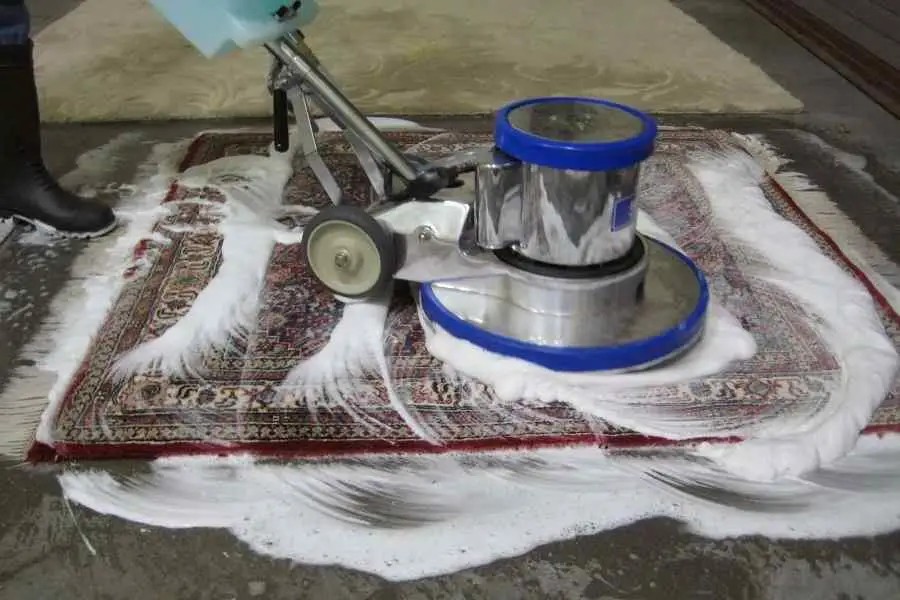
This is why oriental rug cleaning vs carpet cleaning is not interchangeable. Carpet cleaning systems often use higher water pressure and standardized chemicals. Oriental rugs require controlled moisture, fiber-sensitive solutions, and careful drying methods to avoid shrinkage or dye instability.
Additionally, the dense weave of an Oriental rug allows dirt to settle deep into the foundation. Over time, embedded grit wears down fibers from within. Surface vacuuming removes loose debris but does not address internal soil buildup.
How Often Should Oriental Rugs Be Professionally Cleaned?
For most households, professional oriental rug cleaning every 12 to 18 months is appropriate. However, frequency depends on traffic and the environment. Rugs placed in living rooms, hallways, or entryways collect more soil than those in bedrooms. Homes with pets or children often require annual cleaning due to increased debris and spills.
In San Antonio, airborne dust and seasonal pollen can settle into rugs more quickly than homeowners realize. Local environmental conditions may justify more consistent maintenance. Beyond scheduling, visual and tactile cues also matter. A rug that looks dull, feels stiff, or carries a persistent odor may need cleaning regardless of the calendar.
How to Clean Oriental Rugs Without Causing Damage
Homeowners frequently search for how to clean oriental rugs safely at home. Routine maintenance is important, but it must be gentle and consistent.
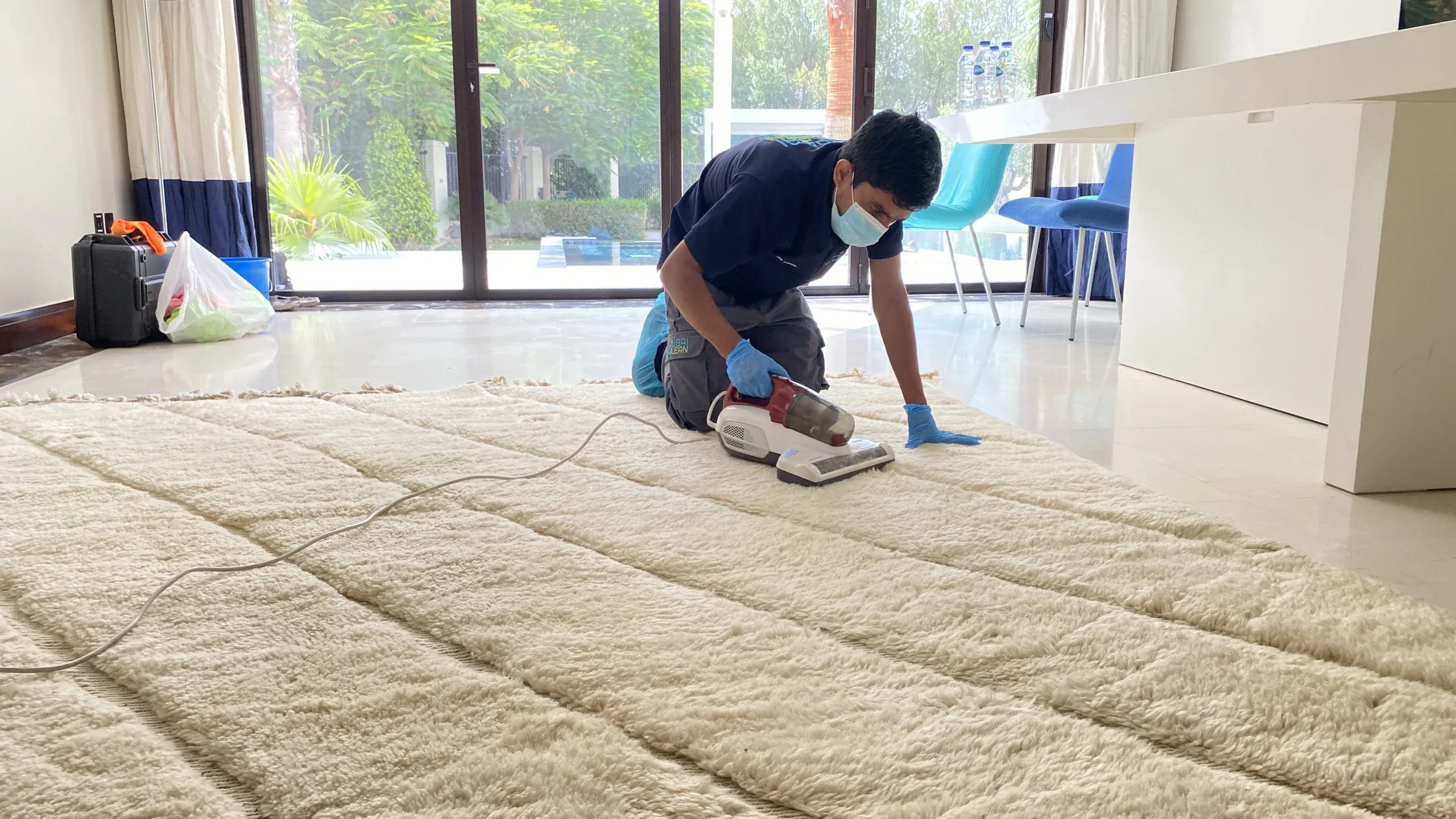
Vacuuming without a rotating brush prevents fiber pulling. Spills should be blotted immediately with a clean cloth rather than rubbed. Rotating the rug periodically helps distribute wear evenly.
These steps support oriental rug care and maintenance, but they are preventive rather than restorative. Steam cleaning machines and high-moisture extraction units are not recommended for most Oriental rugs. Excess water can distort fibers or weaken the rug’s foundation.
When deeper soil is present, professional care becomes necessary.
Are Oriental Rugs Worth Professional Cleaning?
This is a common and reasonable question. Are oriental rugs worth professional cleaning?
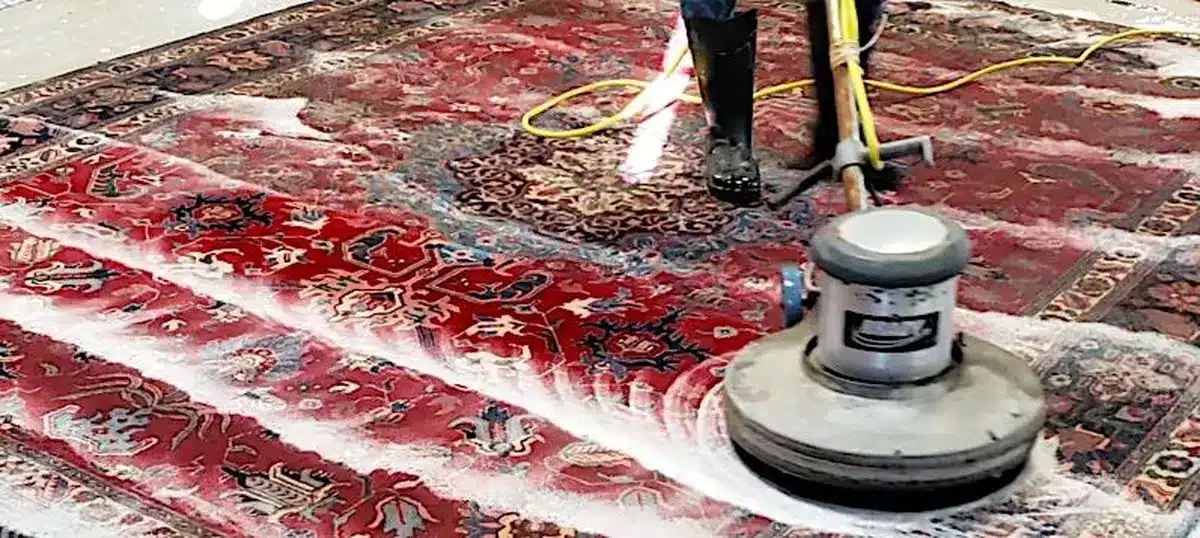
In most cases, yes. Oriental rugs often represent a financial investment and, in many homes, a sentimental one as well. Dirt trapped within the weave gradually abrades fibers, shortening lifespan. Professional cleaning removes embedded soil while protecting texture and dye stability.
Preventive maintenance costs far less than repairing color bleeding, mildew damage, or fiber loss caused by improper cleaning methods. Professional oriental rug cleaning also improves indoor air quality, as noted by the U.S. Environmental Protection Agency, by removing allergens such as dust and pollen that vacuuming alone cannot fully extract.
Professional Oriental Rug Cleaning in San Antonio
Local conditions matter when it comes to rug maintenance. In South Texas, windborne dust and seasonal allergens accumulate quickly indoors. Scheduling oriental rug cleaning in San Antonio helps address environmental factors that accelerate soil buildup.
Homeowners seeking professional oriental rug cleaning often turn to experienced providers who understand both fiber sensitivity and local climate conditions. Many rely on San Antonio Carpet Cleaning for rug-specific treatment designed to protect craftsmanship while achieving deep cleaning results.
Working with trained professionals ensures that cleaning methods are selected based on fiber type, dye stability, and rug age rather than using generalized carpet equipment.
Warning Signs That Professional Cleaning Is Needed
Even if a rug appears clean at first glance, subtle indicators may suggest internal buildup. Colors may look muted. The surface may feel rougher than usual. Lingering odors can indicate trapped moisture or debris within the foundation.
Allergy flare-ups indoors can also be linked to accumulated particles within rugs.
Addressing these signs early prevents gradual fiber breakdown and helps preserve both structure and visual clarity.
Protecting Your Rug as a Long-Term Investment
Oriental rugs are designed to last for decades when properly maintained. Protecting that longevity requires informed decisions about cleaning frequency and method.
Routine vacuuming and careful spill management help preserve surface cleanliness. Periodic professional service removes embedded soil that routine care cannot reach.
Understanding the difference between oriental rug cleaning and carpet cleaning prevents accidental damage. Choosing specialized treatment protects the rug’s structure, color, and value. When approached correctly, professional oriental rug cleaning is not simply about appearance; it is about preservation.
Frequently Asked Questions
How often should Oriental rugs be professionally cleaned?
Most Oriental rugs benefit from professional cleaning every 12 to 18 months. Rugs in high-traffic areas or homes with pets may require annual service to prevent embedded soil buildup.
Is professional cleaning safe for wool Oriental rugs?
Yes. Professional oriental rug cleaning uses controlled moisture and fiber-appropriate solutions designed for wool rugs, helping preserve color stability and structural integrity.
What is the difference between oriental rug cleaning and carpet cleaning?
Carpet cleaning uses standardized systems for synthetic flooring. Oriental rug cleaning involves customized treatment based on fiber type and weave to prevent damage.
Can I steam clean my Oriental rug?
Steam cleaning is generally not recommended. Excess heat and moisture can cause shrinkage or dye bleeding in natural fibers.
Does professional rug cleaning help with allergies?
Yes. Professional cleaning removes embedded dust, pollen, and allergens trapped within rug fibers, supporting improved indoor air quality.